If you want a quiet, wooded address close to Asheville, Biltmore Forest stands out fast. It feels tucked away, but it is not remote, and that balance is a big part of its appeal. If you are wondering what daily life is really like here, this guide will walk you through the setting, the homes, the rules, and the lifestyle so you can decide if it fits what you want. Let’s dive in.
Biltmore Forest at a Glance
Biltmore Forest is its own incorporated town in Buncombe County, not just a neighborhood within Asheville. The town covers about 2.9 square miles and has an estimated population of 1,343, which gives it a very small-scale residential feel.
Its location is one of the biggest draws. Biltmore Forest sits between the Biltmore Estate, the Blue Ridge Parkway, and Asheville, which means you can be close to major attractions and downtown while still living in a quieter setting.
The town also operates with its own local services, including police, public works, water, zoning, and sanitation. In practical terms, that creates a more managed municipal experience than you would find in many standard residential communities.
A Historic, Estate-Like Setting
Biltmore Forest has deep roots in former estate land. The town says it was created from about 1,500 acres as a restricted residential section, with an early vision of becoming one of the finest residential parks in the country.
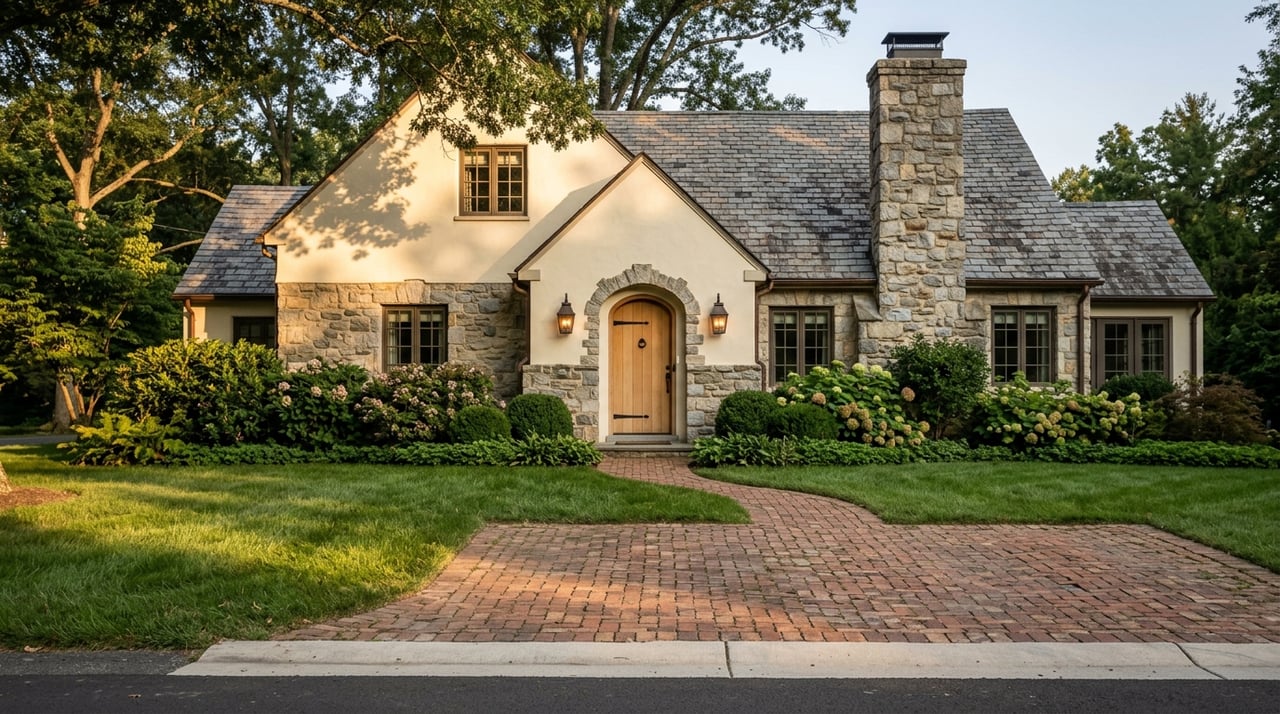
You can still see that legacy in the layout and feel of the area. Historic lots were mostly 3 to 5 acres, and the town is strongly associated with Colonial Revival, Craftsman, Rustic, and Tudor Revival architecture.
That history matters because it helps explain why Biltmore Forest feels so intentional. It is not a place that grew without a plan. Its identity is tied to preservation, architecture, and a carefully maintained residential environment.
What the Homes and Streets Feel Like
The overall character here is low-density and residential. A town traffic study describes Biltmore Forest as mostly single-family homes with some townhomes, and many homes sit on large lots with long driveways.
You will also notice a strong sense of privacy. Mature trees, hilly streets, and generous spacing between many homes help create a calm, sheltered atmosphere that feels different from denser in-town neighborhoods.
That said, not every street looks exactly the same. The same study notes that some areas sit closer to the street, so the experience can vary depending on the section of town and the specific property.
Mature Trees Shape Daily Life
One of the clearest features of Biltmore Forest is its tree canopy. The town’s planning approach and preservation priorities make landscaping a major part of the community’s identity.
If you love established greenery, this can be a big plus. The wooded setting adds beauty, privacy, and a more settled look that many buyers want when they are searching for a close-in but peaceful place to live.
It also comes with responsibility. Tree removal is regulated, and the town says its October 2023 tree-preservation update added replanting requirements tied to tree removal.
Expect More Oversight Than Average
Biltmore Forest is not the kind of place where homeowners make major exterior changes with little review. The town says structures are not allowed in front yards, fences have long been discouraged, and planning and zoning rules play a meaningful role in protecting the town’s character.
For buyers, this is important to understand before you fall in love with a property. If you are thinking about future additions, landscaping changes, or exterior updates, you will want to look closely at what the town allows.
This extra oversight is not necessarily a negative. For many homeowners, it is part of what helps preserve the look, privacy, and long-term feel of the town.
Day-to-Day Living in Biltmore Forest
Life here tends to feel calm and residential. The town traffic study notes that residents are commonly seen walking, jogging, and biking, and traffic-calming devices such as speed humps appear near places like Greenwood Park and the Biltmore Forest Country Club.
That does not mean it functions like a mixed-use urban neighborhood. Biltmore Forest is more about residential quiet, mature landscapes, and local streets than commercial activity within the town itself.
For many buyers, that is the point. You get a slower pace at home while still staying close to Asheville’s restaurants, shopping, and entertainment.
Local Services Are Hands-On
One thing that sets Biltmore Forest apart is how active the town is in daily operations. Garbage is collected weekly at each residence, recycling is picked up every other week, brush is collected monthly from January through October, and leaves are collected in November and December.
That kind of service level can make the town feel especially well maintained. It also reflects the fact that yard care and landscape management are part of living in a community with mature trees and established lots.
If you are relocating from outside the area, this is worth noting. Biltmore Forest functions more like a small municipality with clear service systems than a loosely managed neighborhood.
Parks and Green Space
Even though Biltmore Forest is small, it does include public green space. The town maintains Rosebank Park and Greenwood Park, and both parks have play sets and open play areas.
That gives residents local outdoor options without needing to leave town. These spaces support the everyday residential feel and add another layer to the area’s quieter pace.
Because the town’s footprint is compact, these amenities are more about neighborhood use than large-scale recreation. Still, they contribute to the overall convenience of living here.
Country Club Expectations
Many buyers ask about the Biltmore Forest Country Club when they start looking in the area. This is an important detail to get clear upfront: the town’s FAQ states that living in Biltmore Forest does not automatically make you a club member.
That matters for expectation-setting, especially if you are relocating and assuming club access comes with homeownership. If club membership is important to you, it is something to investigate separately.
Access to Asheville and Biltmore
Biltmore Forest offers one of the more appealing location balances in the Asheville area. You are in a wooded residential town, but you are also next to the Biltmore Estate and just minutes from downtown Asheville.
The Biltmore Estate itself spans 8,000 acres and includes the house, gardens, winery, restaurants, shops, and other visitor amenities. That does not mean the town feels touristy, but it does mean you are close to one of the area’s most recognized destinations.
For buyers who want convenience without giving up privacy, this location can be a strong fit. You can reach Asheville’s south side and downtown core relatively quickly while coming home to a more buffered environment.
Budgeting for Ownership
When you compare Biltmore Forest with other Asheville-area options, taxes are an important part of the conversation. Town residents pay both Town of Biltmore Forest and Buncombe County property taxes.
The town lists a 2025 operating tax rate of 0.345 per $100 of assessed value. That is the kind of number worth factoring into your overall monthly and annual ownership costs as you compare neighborhoods.
For some buyers, the tradeoff makes sense because of the town services, location, and preserved character. The key is going in with clear expectations.
Who Biltmore Forest Fits Best
Biltmore Forest tends to make the most sense if you want privacy, mature landscaping, historic character, and close-in access to Asheville. It can also be a strong fit if you appreciate architecture and want a home in a place where preservation matters.
It may be less ideal if you want a more flexible, less regulated property environment or a neighborhood with a stronger commercial and walk-to-retail feel. The town’s residential zoning philosophy is a major part of what defines both its charm and its tradeoffs.
In other words, Biltmore Forest is best for buyers who value a quiet residential setting and are comfortable with rules that help preserve it.
What To Know Before You Buy
If Biltmore Forest is on your list, it helps to approach your search with a few practical questions in mind:
- How much privacy and lot size do you want?
- Are you comfortable with stricter planning and tree rules?
- Do you want a historic or architecture-focused setting?
- How important is quick access to Asheville?
- Are you budgeting for both town and county taxes?
- Are you expecting club access that may not come with ownership?
These details can shape whether a home here feels like the right fit long term. In a place as specific as Biltmore Forest, lifestyle match matters just as much as the house itself.
Final Thoughts
Biltmore Forest offers something that can be hard to find: a small, highly residential town with mature landscapes, historic character, and easy access to Asheville. It feels private and established, but still connected to the places many buyers want to reach every day.
Like any market, it comes with tradeoffs. The same rules and preservation standards that protect its character can also limit flexibility, so it helps to work with someone who can explain the details clearly and help you evaluate the fit without pressure.
If you are considering Biltmore Forest or comparing it with other Asheville-area neighborhoods, working with a local guide can make the process much easier. Nate Kelly brings Asheville roots, practical property insight, and a low-pressure approach that helps you make confident decisions.
FAQs
What is Biltmore Forest in Buncombe County, NC?
- Biltmore Forest is an incorporated town in Buncombe County near Asheville, covering about 2.9 square miles with an estimated population of 1,343.
What are homes like in Biltmore Forest?
- Homes in Biltmore Forest are mostly low-density single-family homes, with some townhomes, and many properties have large lots, long driveways, mature trees, and architecture tied to historic styles.
Does living in Biltmore Forest include country club membership?
- No. The town states that living in Biltmore Forest does not automatically make you a member of the Biltmore Forest Country Club.
What local services does Biltmore Forest provide?
- The town provides services including police, public works, water, zoning, sanitation, weekly garbage pickup, every-other-week recycling, monthly brush collection from January through October, and leaf collection in November and December.
Are there rules about trees and exterior changes in Biltmore Forest?
- Yes. The town regulates tree removal, added replanting requirements in its 2023 tree-preservation update, does not allow structures in front yards, and has long discouraged fences.
Is Biltmore Forest close to downtown Asheville?
- Yes. Biltmore Forest is next to the Biltmore Estate and is described by Biltmore as being just minutes from downtown Asheville, offering a close-in location with a quieter residential feel.
What taxes do homeowners pay in Biltmore Forest?
- Homeowners in Biltmore Forest pay both Town of Biltmore Forest and Buncombe County property taxes, and the town lists a 2025 operating tax rate of 0.345 per $100 of assessed value.
Who is Biltmore Forest a good fit for?
- Biltmore Forest is often a good fit for buyers who want privacy, established landscaping, historic character, and convenient access to Asheville in a low-density residential setting.