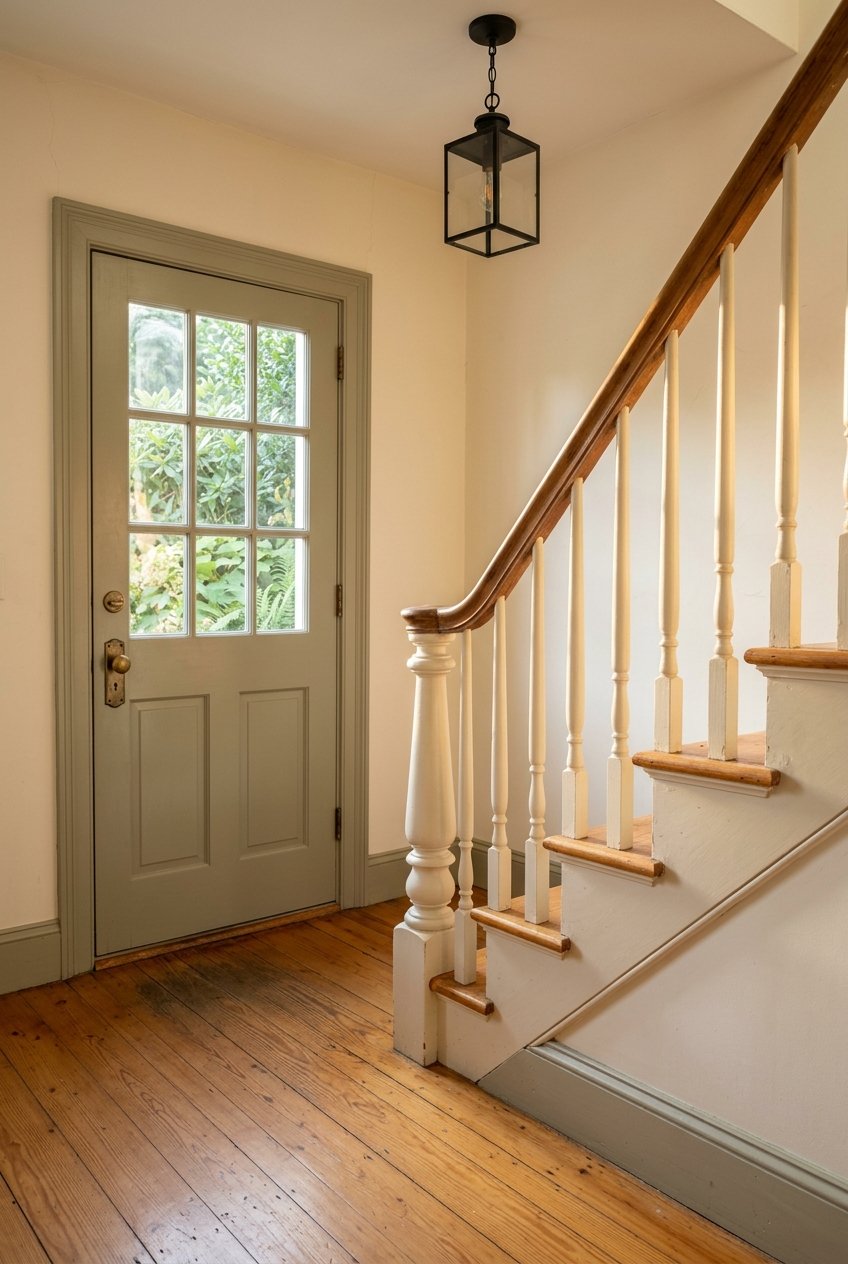
If you are thinking about buying a historic home in Montford, you are probably drawn to the charm first. Wide porches, detailed trim, older trees, and homes with real architectural personality can make this part of Asheville feel special. But historic homes also ask more of you as a buyer, so it helps to know what to look for before you make an offer. Let’s dive in.
Why Montford Appeals to Buyers
Montford stands out for its history, architecture, and close-in Asheville location. The neighborhood association describes the area as about 300 acres with more than 600 structures, with most built between 1890 and 1920. That means many homes here offer original character that is hard to find in newer housing.
You may see a wide range of architectural styles as you tour homes. Sources tied to Montford’s history point to Queen Anne and Shingle Style as key influences, along with Greek Revival, Victorian, Colonial Revival, Arts and Crafts, bungalow, and Neo-Classical examples. In practical terms, that variety means no two homes feel exactly the same.
Montford Boundaries Matter
One of the most important things to understand is that “Montford” does not always mean one set of rules. The National Register-listed Montford Area Historic District and the City of Asheville’s local historic district overlay are related, but they are not identical.
The City of Asheville says National Register districts are not subject to design review unless they are also inside a local historic district. If a home is in the local Montford Historic District, exterior work is reviewed by the Historic Resources Commission, and a Certificate of Appropriateness is required before approved work begins. Some nearby areas, including Montford Hills, sit outside that local review jurisdiction.
That is why you should verify the specific parcel instead of assuming every Montford address comes with the same approval process. This one detail can shape your renovation plans, budget, and timeline after closing.
What Older Montford Homes Often Include
Many Montford homes were built well before modern construction methods and materials became standard. That can mean beautiful original details, but it can also mean older systems, repairs layered over time, and maintenance needs that are less obvious during a quick showing.
Historic sources note details associated with architect Richard Sharp Smith’s influence, including gambrel roofs, hipped gables, stucco or pebbledash walls, heavy porch brackets, and simple Colonial Revival features. You may also encounter homes with additions or updates from later decades, which makes each inspection a very property-specific exercise.
The takeaway is simple: character is a real asset, but condition can vary widely from one house to the next. A careful, document-driven approach will help you enjoy the charm without being surprised by avoidable issues later.
Inspection Priorities for Historic Homes
A standard home inspection is a smart starting point, but with older homes in Montford, it is often not the whole story. National Park Service guidance says older buildings tend to deteriorate faster when the building envelope is not maintained regularly.
For historic exteriors, key areas to watch include the roof, walls, openings like doors and windows, projections such as porches, and the foundation. Moisture is often the main enemy in older houses, so signs of leaks, recurring dampness, blocked gutters, or water intrusion deserve extra attention.
Watch for Moisture Issues
According to the National Park Service, common moisture sources in older buildings include blocked gutters and downspouts, leaking plumbing, HVAC systems, condensation, and damp basements. If a home shows staining, musty smells, masonry movement, or evidence of past water entry, you may want to go beyond a general inspection.
In some cases, specialized evaluation can be worth it. If there are concerns about roof leaks, persistent moisture, foundation movement, or older masonry, adding the right specialist during due diligence can give you a clearer picture of repair needs.
Look at Roof, Gutters, and Foundation
These parts of the house do a lot of the heavy lifting when it comes to preserving an older structure. A failing roof or poorly draining gutter system can lead to wood rot, damaged finishes, and long-term moisture problems.
Foundation conditions also matter. Minor age-related wear is one thing, but visible movement, cracks, drainage issues, or chronic basement dampness can affect both repair costs and future maintenance planning.
Ask for Repair Records
The National Park Service recommends keeping a written record of completed work on older buildings. As a buyer, that makes existing documentation especially valuable.
If the seller has records of repairs, permits, inspections, or prior historic approvals, those documents can help you understand what has already been done and how carefully the home has been maintained. They can also be useful later if you plan additional work.
Lead Paint Due Diligence
Lead is a separate issue that deserves real attention in Montford because many homes here predate 1978. The EPA says the older the home, the more likely it contains lead-based paint, and 87% of homes built before 1940 have some lead-based paint.
If you are considering an older home, it is wise to either assume lead-based paint may be present or have the property checked by a certified inspector or risk assessor. Federal law requires disclosure of known lead-based paint and hazard information before the sale or lease of most pre-1978 housing.
You also get a 10-day period to conduct a paint inspection or risk assessment. Deteriorating paint on windows, doors, stairs, railings, and porches is especially important to evaluate because those are common friction and wear areas.
If you plan to renovate after closing, lead-safe work practices matter. Any project that disturbs painted surfaces in an older home should be approached carefully and with properly qualified professionals.
Renovation Rules After You Buy
If your parcel is inside Asheville’s local historic district overlay, exterior changes that fall under the design standards generally need Historic Resources Commission review and a Certificate of Appropriateness before work starts. The city also notes that this design approval does not replace building or zoning permits.
That distinction matters because buyers sometimes assume one approval covers everything. In reality, a historic home project may involve more than one review path depending on the scope of work.
The city’s current Montford project page also says Asheville is considering amendments to district standards, specifically for additions and fences. That is a good reminder to check current rules instead of relying on older assumptions.
Exterior Work May Need Approval
If you are dreaming about changing windows, adding onto the home, replacing a porch element, building a fence, or making other exterior updates, confirm early whether the property falls within local review. That can affect both timing and design decisions.
The main point is not to be intimidated. It is to plan ahead, gather the right information, and avoid starting work based on guesswork.
Tax Credit Options May Exist
North Carolina Commerce says owner-occupied historic residences and income-producing certified historic structures may be eligible for historic preservation tax credits. The North Carolina Historic Preservation Office also notes homeowner rehabilitation credits and federal and state rehabilitation tax credit programs.
The City of Asheville states that contributing National Register properties or individually listed properties may potentially qualify for historic preservation tax credits. Because eligibility is project-specific, buyers planning major rehab should review current guidance with the State Historic Preservation Office before starting work.
Smart Questions Before Making an Offer
Historic home purchases usually go more smoothly when you ask a few focused questions early. In Montford, these are some of the most useful ones to answer before you move forward.
- Is the property inside Asheville’s local historic district overlay, or is it only in the broader Montford neighborhood?
- Are there records of prior exterior work, permits, or Certificates of Appropriateness?
- What do inspections show about the roof, gutters, moisture intrusion, foundation, and signs of past water damage?
- If the home predates 1978, what lead disclosure materials are available?
- Should a certified lead inspection or risk assessment be part of your due diligence?
These questions help you look beyond curb appeal and understand the home on a more practical level. That is especially important if you are relocating, buying your first older home, or comparing multiple properties in Asheville.
The Tradeoff Is Worth Understanding
Buying in Montford can be incredibly rewarding if you love preserved character and want a home with a strong sense of place. At the same time, these properties often come with a more document-heavy process and a maintenance plan that needs to respect older construction.
The tradeoff is not just higher upkeep. It is also the need to think ahead about approvals, lead-related due diligence, and the possibility that future exterior projects may move on a slower review timeline.
If that sounds manageable to you, Montford can be a great fit. And if you want a grounded local perspective while weighing charm against condition, having the right guide can make a big difference.
If you are exploring historic homes in Montford and want practical, low-pressure guidance, Nate Kelly can help you evaluate the neighborhood, the property, and the tradeoffs with clear local insight.
FAQs
What is the difference between the Montford Area Historic District and the local Montford Historic District?
- The National Register-listed area and Asheville’s local historic district overlay are not the same thing. A property in the local district may need Historic Resources Commission review for certain exterior work, while a property only in the National Register district is not subject to that local design review unless it is also in the overlay.
What should you inspect carefully when buying a historic home in Montford?
- Focus closely on the roof, gutters, walls, windows, doors, porches, foundation, basement moisture, and signs of past water intrusion. A standard inspection is important, but older homes may also need specialized evaluation if issues are visible.
Do Montford historic homes in Asheville often have lead-based paint?
- Many can, especially homes built before 1978. The EPA says older homes are more likely to contain lead-based paint, and buyers can use the disclosure period to investigate further with a certified professional.
Do you need approval to renovate a Montford historic home?
- If the parcel is inside Asheville’s local historic district overlay, certain exterior work generally needs Historic Resources Commission review and a Certificate of Appropriateness before work begins. Building or zoning permits may still be required separately.
Can a buyer get tax credits for rehabilitating a historic home in Montford?
- Possibly. North Carolina programs and other preservation tax credit options may apply to some owner-occupied or certified historic properties, but eligibility depends on the property and the project, so buyers should confirm current guidance before starting rehab.