If you want mountain scenery without giving up the feel of a real town, Black Mountain deserves a close look. For many buyers, the challenge is finding a place that feels charming and connected without feeling overly busy or overly remote. This guide will help you understand what daily life in Black Mountain is like, what makes the town distinct, and why it continues to stand out near Asheville. Let’s dive in.
Why Black Mountain Stands Out
Black Mountain sits at the head of the Swannanoa Valley, about 18 miles east of Asheville. It grew around the railroad, trade, and mountain access, and that history still shapes the town today. You can feel that sense of place in both the layout of town and the way the mountains frame it.
With an estimated 8,491 residents as of July 1, 2025, Black Mountain is small enough to feel personal but large enough to support daily needs and community activity. The town has a residential feel, with 66.9% of housing units owner-occupied. That balance can appeal if you want a mountain town that feels lived-in rather than purely visitor-focused.
Black Mountain’s Downtown Character
Downtown Black Mountain is one of the biggest reasons people fall for the town. Instead of a long commercial strip, you get a compact historic core with one- and two-story buildings and visible mountain views. That setting creates a walkable, easygoing atmosphere that feels distinct from larger nearby markets.
The historic district includes a mix of Commercial Style, Craftsman, Classical Revival, Art Deco, and Art Moderne architecture. In practical terms, that means the downtown area has visual variety and a lot of character packed into a small footprint. It feels layered and established, not manufactured.
You will also find locally owned shops, art galleries, places to eat and drink, and live music woven into daily life downtown. Seasonal events help shape the social calendar too, including the Sourwood Festival, Old Depot Art by the Tracks, and the annual Christmas parade. If you value a town where community events still matter, Black Mountain has that rhythm.
Outdoor Living in Black Mountain
For many buyers, Black Mountain’s lifestyle is about more than downtown charm. The town’s Recreation and Parks Department offers parks, greenways, athletics, gardens, aquatics, special events, and active-aging programming. That range gives residents options for both everyday routines and weekend plans.
Lake Tomahawk Park is one of the best examples of how accessible outdoor living can be here. It includes a 0.55-mile walking trail, fishing pier, playground, tennis courts, horseshoe pits, pavilion, and pool. River Walk Park adds a 0.5-mile trail along the Swannanoa River plus an off-leash dog park.
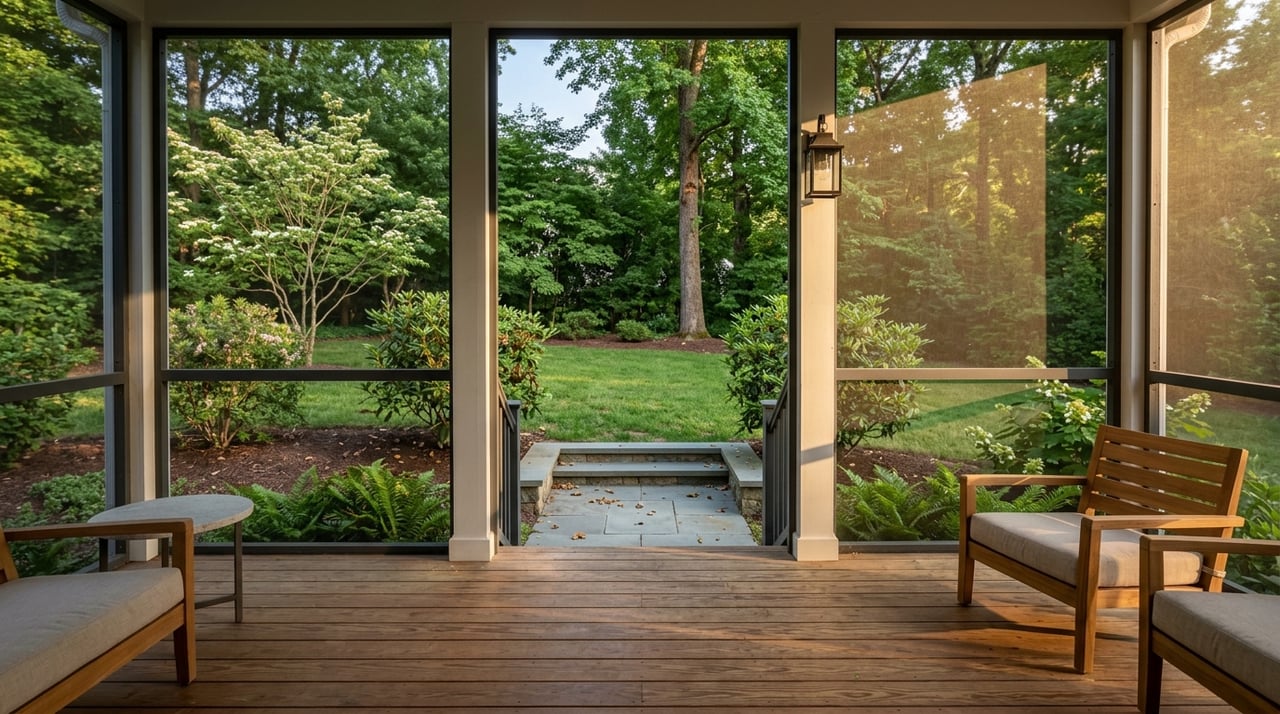
Beyond town limits, regional access is a big part of the draw. Hike destinations within about an hour include areas along the Swannanoa Rim, The Craggies, Old Fort, Pisgah National Forest, Bent Creek, Shope Creek, and North Mills Recreation Area. The route also connects up to the Blue Ridge Parkway, which adds another layer to the outdoor appeal.
What the Climate Feels Like
Black Mountain offers a four-season mountain climate that many buyers are looking for in Western North Carolina. Based on the closest NOAA climate normals station, the annual mean temperature is 57.3 degrees Fahrenheit. Summers are warm, and winters are cool, with enough seasonal change to make the landscape feel dynamic throughout the year.
Average high and low temperatures are 85.3 and 64.9 degrees in July, and 51.5 and 31.3 degrees in December. The area averages about 49.6 inches of annual precipitation and 10.3 inches of annual snowfall. For you, that usually means green surroundings, defined seasons, and weather that supports an outdoor lifestyle for much of the year.
Housing Style and Home Types
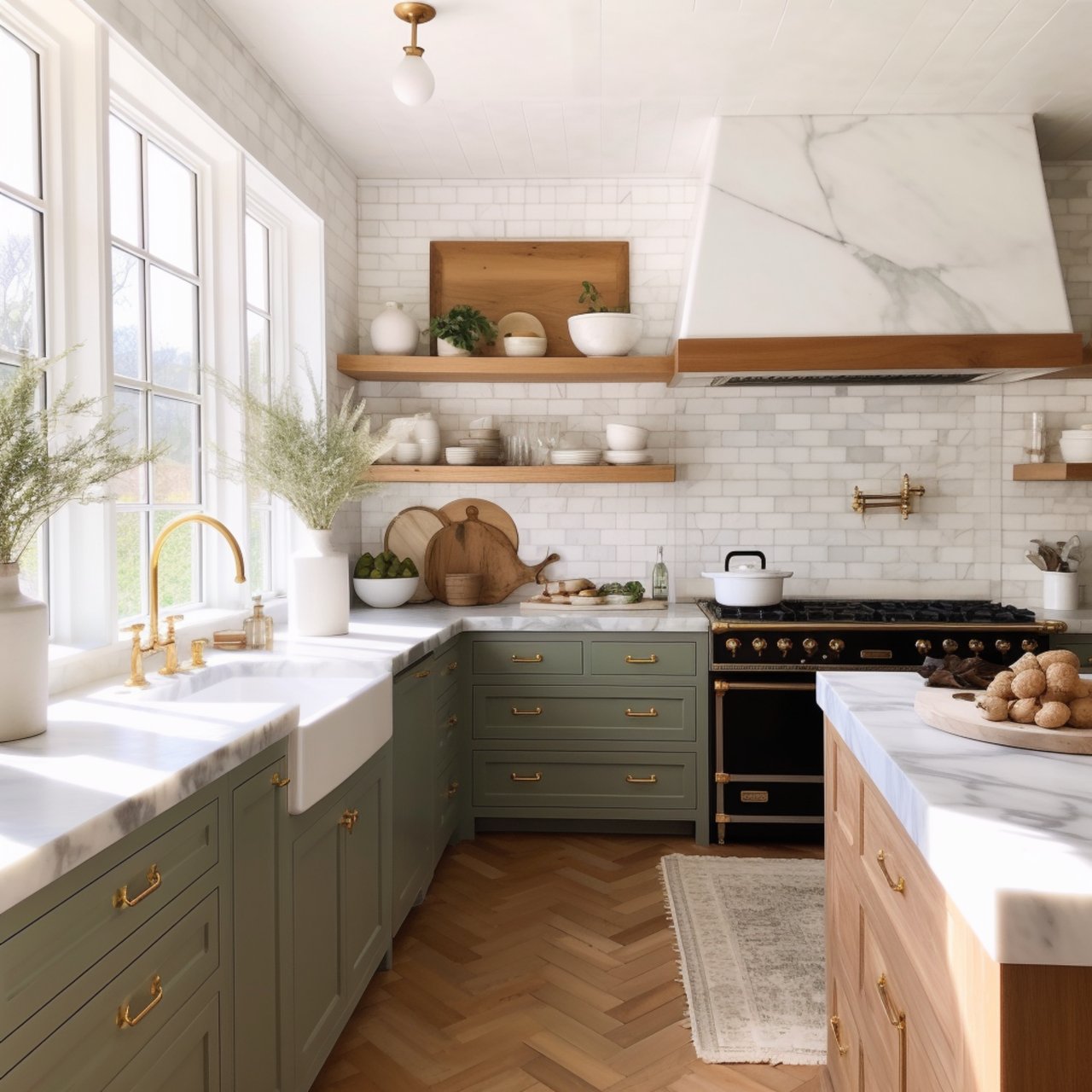
Black Mountain’s housing stock is part of its appeal. Older neighborhoods help give the town a strong sense of identity, especially in areas documented for their historic character. If you are drawn to homes with architectural detail, mature landscaping, and established streetscapes, you may find a lot to like here.
Dougherty Heights includes early 20th-century homes, well-detailed Craftsman bungalows, larger boarding houses, mid-century infill, one- and two-story frame houses, mature trees, brick dwellings, and frequent use of river rock in foundations, porch piers, steps, and retaining walls. South Montreat Road reflects a similar pattern, with Craftsman bungalows, post-World War II houses, and small lots along the route toward Montreat.
Across the broader town, the housing mix can feel varied. You may come across cozy older cottages and bungalows, along with larger homes shaped by the valley setting and mountain terrain. That variety can be helpful if you want options that range from in-town convenience to a more tucked-away mountain feel.
Who Black Mountain Fits Best
Black Mountain can work well for several types of buyers, especially if you want a strong sense of place. The town feels connected to Asheville, but it has its own identity. That can be a sweet spot for people who want access without feeling like they live in the middle of a larger city.
For relocators
If you are moving from out of town, Black Mountain offers a clear lifestyle story. You get a distinct downtown, preserved residential neighborhoods, outdoor access, and bus transportation to Asheville and within the Black Mountain area. That can make the area easier to understand and navigate as you settle in.
For retirees
Black Mountain may be especially relevant if you want a community with practical amenities and programming that supports an active routine. About 36.9% of residents are age 65 or older, and the town offers active-aging programming. The Lakeview Senior Center also provides wellness, education, and culture programs for residents of all ages.
For second-home buyers
If you are looking for a mountain getaway that still functions like a real town, Black Mountain checks several important boxes. The downtown is active and historic, the event calendar stays engaged through the year, and outdoor recreation is close at hand. That combination can create a lifestyle that feels both relaxing and grounded.
What to Consider Before Buying
Black Mountain’s charm is real, but it helps to understand the tradeoffs too. Historic areas may come with older homes that need closer evaluation for condition, updates, and maintenance. If you are buying from out of town, those details matter even more because the visual appeal of a home does not always tell the full story.
Terrain is another factor. In and around mountain settings, lot shape, grade, access, and drainage can all affect how a property lives day to day. A home can be beautiful and still require careful review of practical details before you move forward.
This is where local guidance makes a real difference. If you are comparing in-town cottages, established neighborhoods, or homes with a more mountain-oriented setting, it helps to work with someone who can translate the tradeoffs in plain language and help you stay focused on fit, not just first impressions.
Why Local Guidance Matters Here
Black Mountain is close to Asheville, but it is not interchangeable with Asheville. The town has its own pace, housing patterns, and buyer appeal. Understanding those differences can help you make a more confident decision, whether you are relocating full-time, buying a second home, or preparing to sell.
A local agent with practical property insight can help you look beyond surface charm. That includes understanding neighborhood context, evaluating how a home’s condition may affect your plans, and weighing convenience against privacy, views, or lot constraints. In a place like Black Mountain, those details often shape whether a home is truly the right fit.
If you are thinking about buying or selling in Black Mountain, working with a grounded local guide can make the process feel a lot more manageable. When you want honest advice, neighborhood context, and low-pressure support, Nate Kelly is a great place to start.
FAQs
What is Black Mountain, North Carolina, like for full-time living?
- Black Mountain offers a small-town setting with a historic downtown, local shops and events, parks and greenways, and easy access to outdoor recreation, all about 18 miles from Asheville.
What kinds of homes are common in Black Mountain?
- Black Mountain includes a mix of older cottages, Craftsman bungalows, frame houses, brick dwellings, mid-century infill, and some larger homes shaped by the valley and mountain setting.
Is Black Mountain close to Asheville?
- Yes. Black Mountain is roughly 18 miles east of Asheville, and the town also provides bus transportation to Asheville and within the Black Mountain area.
What outdoor amenities does Black Mountain offer?
- The town offers parks, greenways, trails, athletics, aquatics, gardens, and special events, with highlights like Lake Tomahawk Park and River Walk Park.
Is Black Mountain a good fit for retirees?
- It can be a strong fit for retirees who want a residential mountain town with active-aging programming, a senior center, and access to both community events and outdoor recreation.
What makes Black Mountain different from other mountain towns near Asheville?
- Black Mountain stands out for its compact historic downtown, preserved residential character, mountain setting, walkability, and balance of community life and outdoor access.